
Adult Customer Checklist Before Choosing Cigarette Products Online
Adult Customer Checklist Before Choosing Cigarette Products Online
This guide is written for adult customers only. It does not encourage tobacco or nicotine use; it explains how to review product information, policy pages, and support details before taking any action on SoulsSky.
Start With Age And Eligibility Checks
Before comparing any catalogue page, confirm that the website is intended for adult customers and that the delivery address, recipient details, and local requirements are clear. For SoulsSky, the most important first step is to read the adult-only and policy information before browsing the shelf.
- Use the same name and contact details across order and support messages.
- Check whether an order may require age confirmation or additional verification.
- Review policy pages before asking support about delivery or payment steps.
- Avoid relying on product images alone; read the written option details.
Review The Main Product Paths
The fastest way to understand the catalogue is to separate product paths by intent. Adult cigarette shoppers can start with the cigarette category. Customers comparing loose or related shelf items can review the tobacco category. If the question is about selected vapor goods rather than cigarettes, use the vapor category and read the product option names carefully.
Check Product Options Before Contacting Support
Many support questions come from small details: pack name, brand family, option label, stock status, delivery address, or whether a product page has multiple variants. On SoulsSky, a good review flow is to open the product page, compare the written title with the visible option fields, then keep the exact product name ready if you contact support.
For this site, the current content focus is adult-only shopping, product detail review, and support expectations. That means the best traffic pages should answer practical adult-customer questions clearly instead of using vague promotional language.
Read Shipping, Terms, And Support Pages
Policy pages are part of the buying journey and also help search engines understand the site. Read the relevant shipping or terms page, then check the adult-only or about page for scope and identity signals. If something is unclear, use the FAQ or contact page instead of guessing from an old product screenshot.
When Not To Rush A Decision
Do not rush if the product option, delivery address, payment step, or age requirement is unclear. It is safer to pause, collect the exact page URL, and ask support before submitting information. This is especially important for adult-only products, addresses with delivery constraints, and any order where the recipient details must match the customer record.
Quick Checklist
- Confirm the site and page are intended for adult customers.
- Verwenden Sie die shop page or category pages instead of old bookmarks.
- Read product names, option fields, and category labels before comparing items.
- Check policy pages before asking delivery or refund questions.
- Keep the exact product URL ready when contacting support.
FAQ
Is this guide for new smokers?
No. This guide is only for adults who are already reviewing adult-only product information and need a safer way to understand policy and catalogue details.
Should I rely on images or product names?
Use the written product name, option labels, category path, and support confirmation. Images can help orientation, but they should not be the only source of detail.
What should I check before contacting support?
Prepare the page URL, product name, option label, delivery area question, and any policy page that relates to your question.
Image And Product Page Review
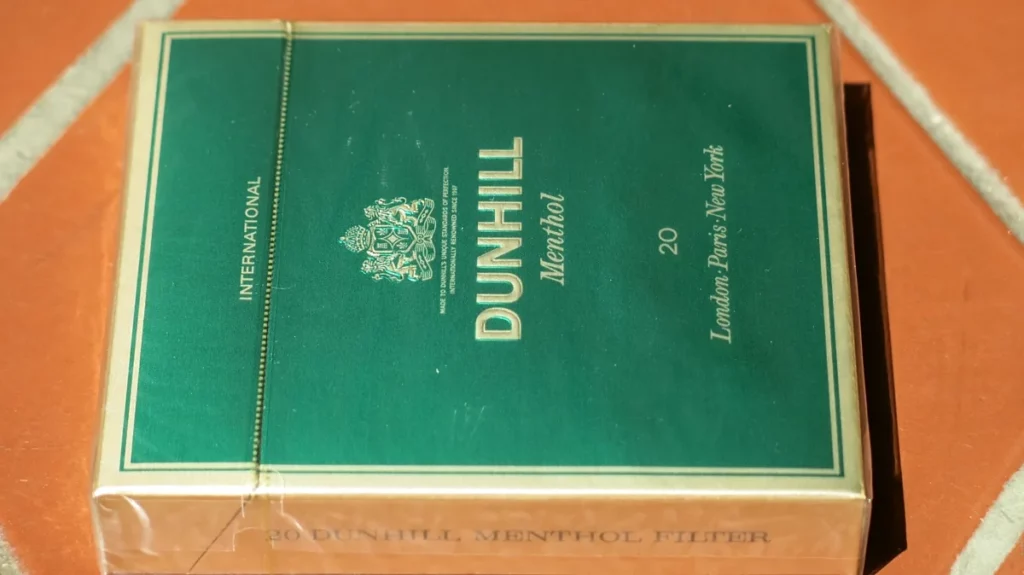
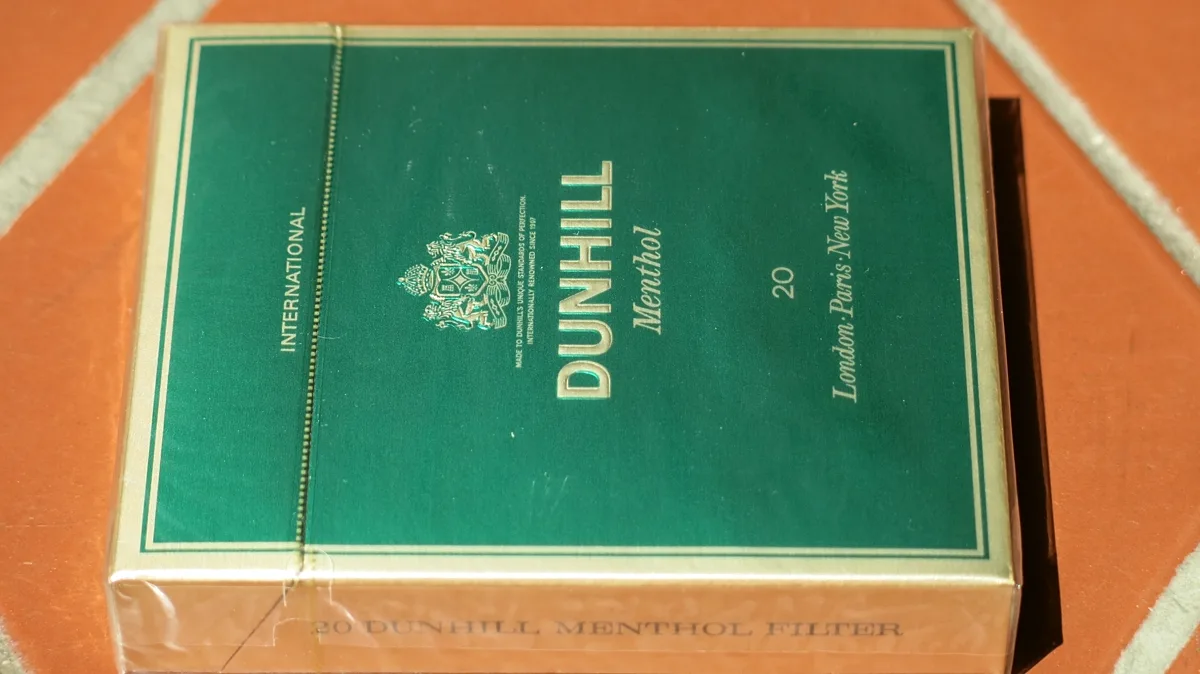
Images should support identification and navigation, not exaggerate the product. A useful product image shows packaging, category context, or comparison details clearly enough for an adult visitor to understand what page they are reading. If images are missing, the page feels unfinished and search snippets may lose visual context. A repaired article should include descriptive image alt text, working image URLs, and links to relevant live category pages.
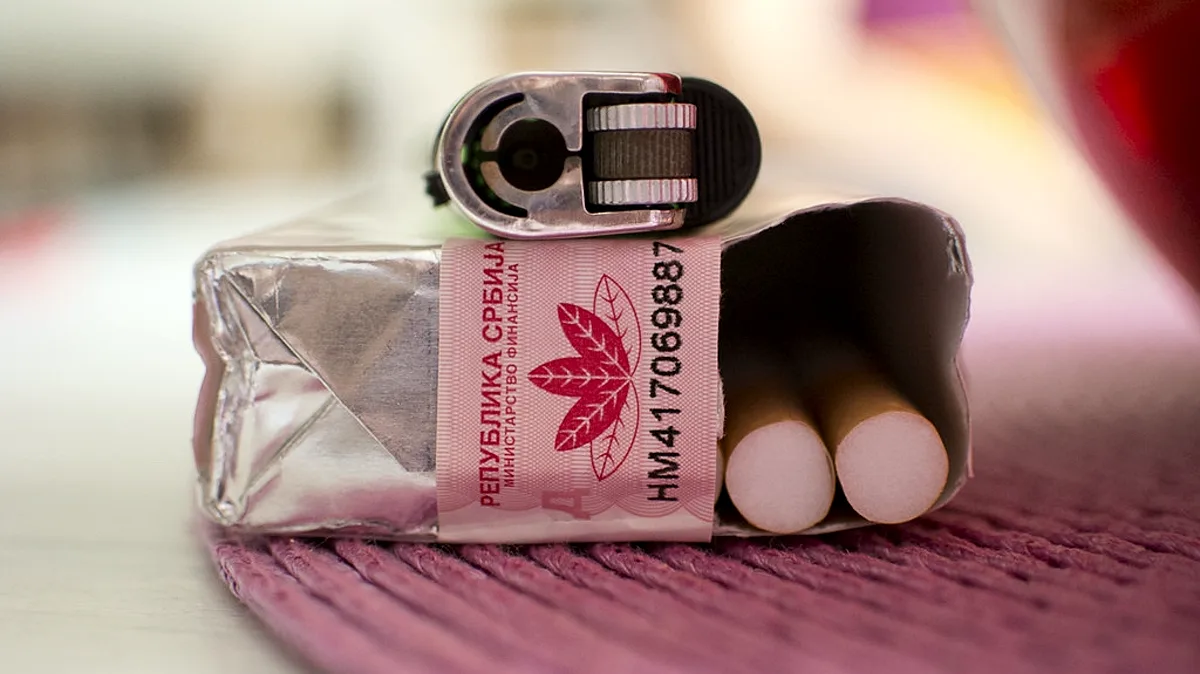
When reviewing a product page, look for a clear title, consistent category placement, a readable description, and support links that still work. If a guide links to an old article URL that now returns 404, the visitor journey breaks. The better pattern is to link from checklist pages to durable catalogue hubs such as the main cigarette category, brand categories, policy pages, and contact pages.
Delivery, Policy, And Support Checks
Delivery and support information should be checked before comparing individual products. Adult visitors should understand the service area, order handling notes, support access, and terms of service before taking any action. If a page does not explain where to find those details, it should link to the relevant store pages instead of leaving the user to guess.

For SEO and GEO recovery, these details matter because they create clearer entity relationships. Search systems can better understand that the site has product categories, policy pages, support pages, and informational guides that work together. The goal is not to publish more pages at any cost; the goal is to make every indexed page complete, connected, and useful for the search intent it targets.
SEO Recovery Checklist For This Page
- Use one clear H1 that includes the topic and Australia context.
- Keep the article above the minimum editorial depth instead of leaving a thin checklist page indexed.
- Add at least three relevant images with descriptive alt text and working URLs.
- Link to live product-category pages rather than missing archives or old article slugs.
- Include FAQ answers that stand alone and answer real user questions.
- Review public output after updating because WordPress themes and SEO plugins can alter the final page.
The strongest recovery workflow is to repair weak existing pages first, then use Search Console data to choose new topics. This prevents the site from accumulating short pages, repeated topics, and broken internal links. For an Australia-focused ecommerce site, every new article should connect back to a live category, a relevant brand hub, or a policy page that helps the adult visitor continue the journey.
FAQ
Who is this checklist written for?
It is written for adults aged 18 and over who are reviewing cigarette-related ecommerce information in Australia. It is informational and does not encourage tobacco or nicotine use.
Why should I start from category pages?
Category pages show the broader catalogue structure and are more stable than many older article URLs. They help visitors compare product groups and help search engines understand site architecture.
What should I check before comparing products?
Check adult-only context, product naming, images, category placement, delivery notes, support access, and terms of service. These checks reduce confusion before any customer action.
Why do broken internal links hurt traffic recovery?
Broken links interrupt users and waste crawl paths. They also weaken the connection between articles, categories, and product pages, which makes the site harder to understand.
Does this checklist describe any cigarette as lower risk?
No. It does not describe any tobacco product as lower risk. It focuses on adult-only information review, policy checks, and clearer website navigation.
How should the site choose future topics?
Future topics should come from Search Console evidence: falling pages, high-impression low-CTR queries, ranking positions from 4 to 20, and gaps where category pages need better support.
12. How to Review Search Results Before Trusting a Page
Many visitors arrive from Google after searching for delivery, availability, legality, or brand comparison phrases. The search result can only show a title and a short description, so the page itself must quickly prove that it answers the query. A responsible page should confirm the Australia context, explain the adult-only boundary, and point to the correct category or policy page within the first few sections. If a page does not do this, the visitor may leave quickly, which can weaken engagement signals over time.
For site owners, this means every important article should have a clear opening answer, a useful table or checklist, and internal links that match the search intent. A query about buying or delivery should not only link to other blog posts; it should also link to the store category and support path. A query about a brand should connect to the brand category. A query about legality should connect to terms, contact, and adult-only information. This structure turns traffic into a guided journey instead of a dead-end article view.
13. Why Thin Pages Should Be Repaired Before New Publishing
Thin pages are a common reason content programs lose momentum. A site may publish frequently, but if some pages are too short, missing images, missing featured media, or disconnected from category pages, the overall content library becomes uneven. Search engines can still crawl those pages, but they may not reward them because the answer is incomplete. In a sensitive category, weak pages are even riskier because they can look careless or overly promotional.
The better recovery plan is to identify all underperforming pages, group them by problem type, and repair them one batch at a time. First fix technical issues such as broken links and missing images. Then improve editorial depth with clearer answers, tables, FAQ, and internal links. Finally, compare the updated page against Search Console data to see whether impressions, click-through rate, and average position improve. This turns SEO from a publishing habit into a measurable maintenance process.
14. What a Good Internal Link Should Do
A good internal link should give the reader a useful next step. For example, a checklist page should link to a main category, policy page, contact page, or relevant brand category. It should not link to an old URL simply because that URL once existed in an editorial plan. When old URLs return 404, both users and crawlers lose trust in the site structure. Replacing those URLs with live category pages is often a faster repair than writing a brand-new article.
Internal links should also be varied but not random. A page about product review checks can link to the cigarette category, selected brand categories, the contact page, and terms of service. A page about a specific brand should link to that brand category and one or two related comparison pages. A page about delivery or online ordering should link to the most stable guide or support page. This keeps authority flowing toward pages that can actually satisfy the visitor's next action.
15. Ongoing Maintenance Schedule
The site should be checked on a recurring schedule. Every week, review newly published pages for word count, image count, featured image, FAQ depth, internal links, and meta description quality. Every month, review Search Console data for pages that are losing clicks, keywords with high impressions but low CTR, and queries ranking between positions 4 and 20. These are usually better repair targets than completely new topics because Google has already shown the site for those searches.
For each repair, record the page, the issue, the action taken, and the expected signal. If the title was updated, track CTR. If internal links were repaired, track crawl and engagement. If content was expanded, track average position and impressions. This creates a feedback loop that protects the site from repeating the same mistakes and helps future content plans become more data-driven.
16. Final Adult-Only Reminder
This page is only for adults aged 18 and over. It is designed to help users evaluate website information, not to promote tobacco or nicotine use. No cigarette product should be treated as safe, healthy, or risk-free. Visitors should read health warnings, local rules, store policies, and support information before making any decision. If any detail is unclear, the responsible next step is to contact support or leave the page rather than guess.
For the website owner, the same caution should guide content strategy. Every article should be accurate, restrained, internally connected, and technically clean. A smaller number of strong pages is better than a larger number of thin pages. Traffic recovery depends on quality, structure, and measurement working together.
Frequently asked questions
Who is this information for?
It is intended only for Australian adults aged 18 or older. Smoking and nicotine are harmful and addictive.
Where should current product and delivery details be checked?
Use the live product and policy pages. Article text may become outdated and is not a price, stock or delivery guarantee.